Ready to Respond, 24 Hours a Day, 365 Days a Year
Emergencies do not follow a timetable, and neither does our commitment to saving lives.
Foyle Search and Rescue operates a dedicated 24-hour Emergency Response Team (ERT), also known as our Pager Team, providing an on-call rescue service 365 days a year. While our regular preventative patrols operate every Thursday, Friday and Saturday night, our Emergency Response Team ensures that trained volunteers are available to respond to emergencies outside these scheduled patrol hours.
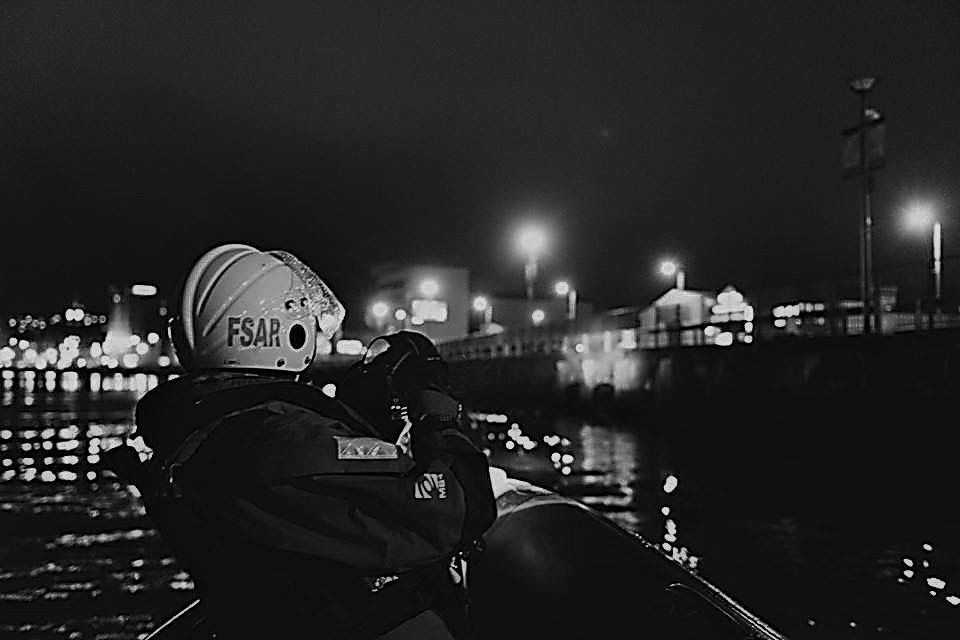
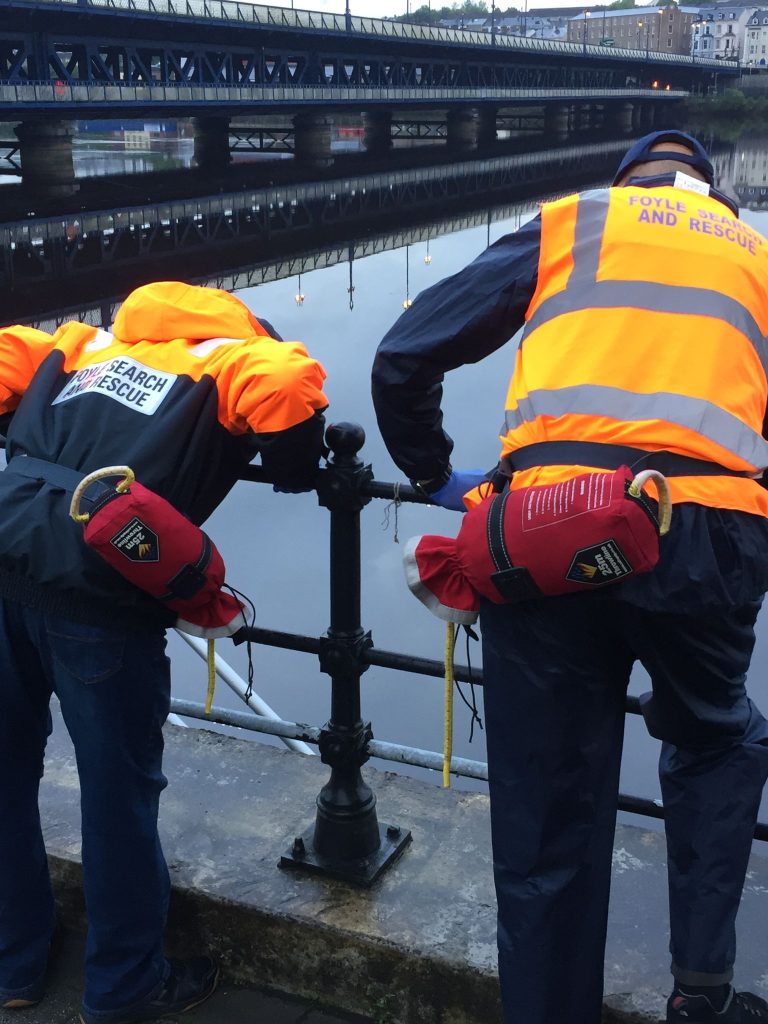
Activated by the Police Service of Northern Ireland (PSNI), our volunteers respond to a wide range of incidents, including persons in the water, missing persons, search operations and body recoveries. Our volunteers are prepared to respond at short notice, often in challenging weather conditions, during the night and in situations where every second counts.
A Coordinated and Specialist Rescue Response
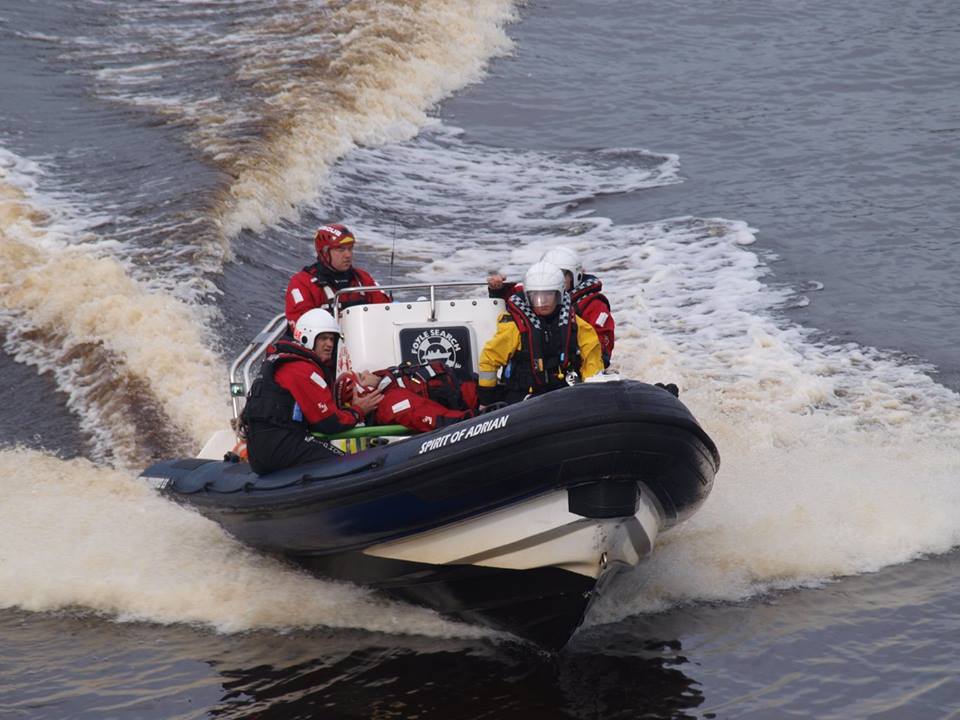
Depending on the nature and location of an incident, our Emergency Response Team can mobilise a range of specialist resources, including rescue boats, jet skis, shore search personnel, drones and sonar equipment. Our volunteers are trained to work together across different operational disciplines, ensuring that the appropriate personnel, equipment and expertise can be deployed to each incident.
We work closely with the PSNI, Northern Ireland Fire & Rescue Service, Northern Ireland Ambulance Service and other voluntary search and rescue organisations to support coordinated emergency operations. These partnerships are essential in delivering an effective response, particularly during complex incidents involving multiple agencies or prolonged searches.
Technical Rescue Skills
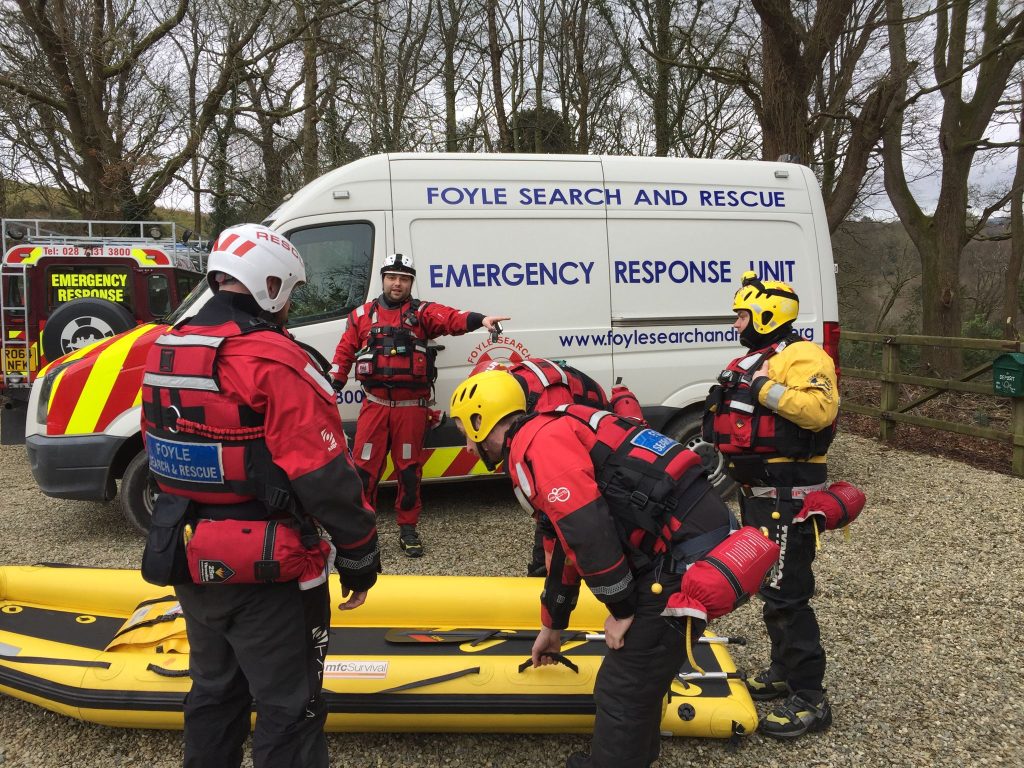
In addition to their core search and rescue training, some members of our Emergency Response Team hold specialist qualifications in Swift Water Rescue, providing an enhanced capability when responding to incidents involving moving water and challenging conditions. Swift water environments present significant risks, including strong currents, changing water levels, submerged hazards and unpredictable conditions. Volunteers with this specialist training develop additional skills in water rescue techniques, hazard identification, casualty management, personal safety and operating in challenging water environments. These skills complement our existing boat, shore and water rescue capabilities and can be utilised when the circumstances of an incident require additional technical expertise. By investing in specialist training, we continue to strengthen the skills and capabilities of our volunteers and improve our ability to respond safely and effectively.
Dedicated Volunteers, Ready When Needed
Our Emergency Response Team is made up of highly committed volunteers who balance their lifesaving responsibilities with employment, family life and other personal commitments. Responding to an emergency can mean leaving home in the middle of the night, attending incidents in difficult weather conditions or committing many hours to searching for a missing person. Being part of the team requires dedication, flexibility, teamwork and a willingness to respond when the community needs help most.
All members undertake ongoing training, practical exercises and competency assessments to maintain their operational readiness. Regular equipment checks and established procedures also ensure that our teams are prepared to respond safely and professionally.
Commitment Beyond the Emergency
Our involvement does not always end when the initial emergency response concludes.
In circumstances where a missing person has not been located, our volunteers may continue supporting search and recovery operations over an extended period, working alongside statutory agencies and other specialist search teams. We recognise the distress and uncertainty experienced by families during these situations and approach every operation with compassion, dignity and respect. Behind every emergency call-out is a dedicated group of volunteers who give their time freely, united by one purpose: the preservation of life in and around the River Foyle.